
Last updated: February 2026
This article contains affiliate links. If you buy through our links, we may earn a small commission at no extra cost to you. See our affiliate disclosure.
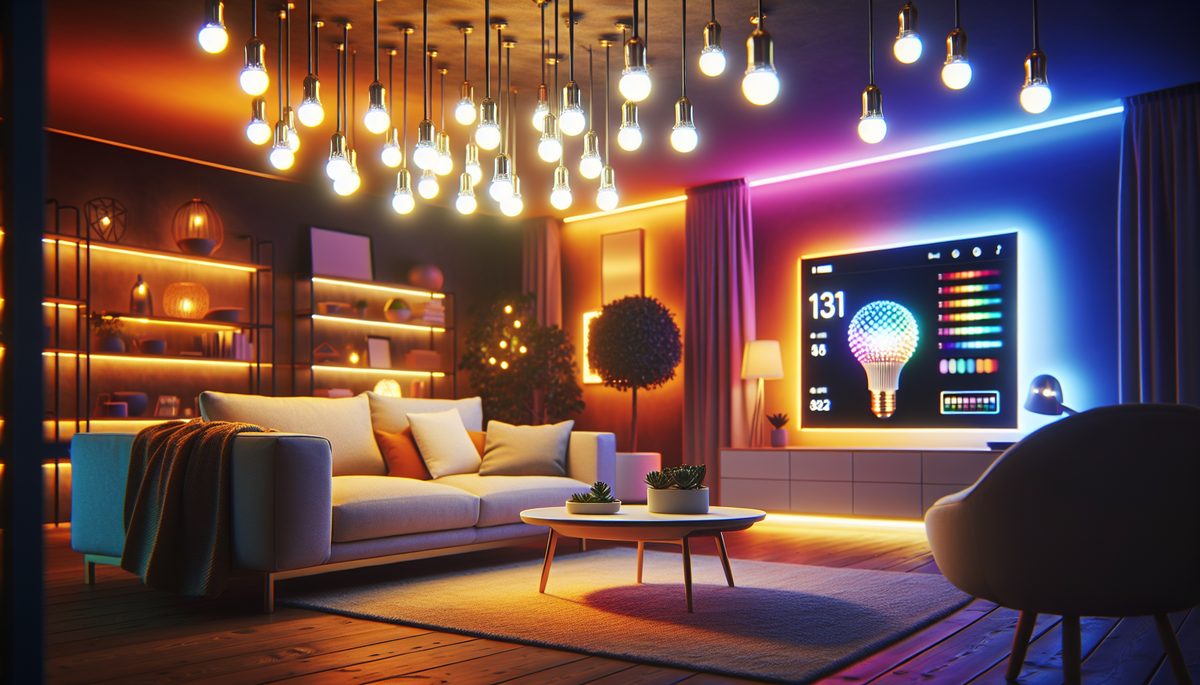
The easiest way to start with smart lighting is to swap a regular bulb for a smart bulb — no rewiring needed. Top options for UK homes are Philips Hue (best ecosystem, needs hub), LIFX (best no-hub option), and TP-Link Tapo (best budget). All work with Alexa, GBest Smart Thermostats UK 2026oogle, and Apple HomeKit. Start with one or twoBest Smart Home Systems for UK Homes 2026 bulbs and expand from there.
Smart lighting is the easiest entry point into home automation. No rewiring needed, instant results, and prices have never been lower. Here’s everything you need to know to get started.
Why Switch to Smart Lighting?
See our guide on smart lights for more information.
- Convenience: Control lights from your phone, voice, or automatically
- Energy savings: Never leave lights on accidentally again
- Ambience: Set the perfect mood with dimmable, colour-changing bulbs
- Security: Make it look like you’re home when you’re not
The Main Smart Lighting Options
Smart Bulbs
The simplest option: screw out your old bulb, screw in a smart one. Most work over WiFi or with a hub.
Best for: Starting small, renters, trying before committing
Top picks:
- Philips Hue: The gold standard. Reliable, huge ecosystem, but pricier
- LIFX: No hub needed, excellent colours
- TP-Link Tapo: Budget-friendly, WiFi-based
- IKEA DIRIGERA: Affordable with good Matter support
Smart Switches
Replace your wall switch with a smart version. All bulbs on that circuit become smart.
Best for: Whole-room control, multiple bulbs on one circuit
Note: May require neutral wire (most UK homes built after 2000 have this)
Smart Plugs
Plug a lamp into a smart plug and control it remotely. The cheapest way to start.
Best for: Table lamps, floor lamps, testing the waters
UK Bulb Fittings Explained (E27, B22, GU10)
One of the biggest beginner mistakes is buying the wrong fitting. Check the socket type before ordering:
- B22 (bayonet): Very common in UK ceiling pendants and older fixtures.
- E27 (Edison screw): Common in modern lamps and many new fittings.
- GU10: Twist-lock spotlights, often in kitchens, bathrooms and hallways.
If your home uses lots of GU10 downlights, budget for multi-pack deals early as whole-room upgrades can add up.
Colour Temperature Made Simple
Smart bulbs often let you tune white light from warm to cool. In kelvin terms:
- 2700K warm white: cosy evening light for lounges/bedrooms
- 3000K–3500K neutral white: balanced everyday light
- 4000K–5000K cool white: task lighting for kitchens and home offices
For comfort, use warmer scenes after sunset and cooler tones where focus matters.
Hub or No Hub?
Room-by-Room Smart Lighting Recommendations
Living room
Use 2–4 dimmable bulbs plus one lamp on a smart plug. Create scenes like “Evening”, “TV time” and “Cleaning”. You can also sync scenes with motorised smart blinds for better daylight control.
Kitchen
Prioritise bright, cool-white GU10 or under-cabinet lighting for tasks. Add motion automation for night visits.
Bedroom
Use warm-white bedside lamps, optional sunrise routine, and a “goodnight” scene that fades lights over 10 minutes.
Hallway and stairs
Motion sensor + timed dim level works brilliantly here. It improves safety and prevents lights being left on.
Automation Ideas That Save Energy
- Presence-based off: Turn off room lights after no motion for 5–10 minutes.
- Sunset trigger: Bring on key lights only when natural light drops.
- Bedtime routine: Switch all downstairs lights off with one command.
- Away mode: Randomised evening lighting while travelling.
Combine these with smart plugs to include floor lamps and decorative lights.
Common UK Setup Mistakes to Avoid
- Mixing too many apps/ecosystems in the same room
- Ignoring wall-switch behaviour (cutting power breaks smart control)
- Buying colour bulbs everywhere when warm-white dimmable is enough
- Skipping naming conventions, making voice control inconsistent
Start simple, make one room excellent, then copy what works to the rest of the house.
Hub-based systems (Philips Hue, IKEA Trådfri)
Pros: More reliable, faster response, works when internet is down
Cons: Extra cost upfront, another device to manage
WiFi bulbs (LIFX, Tapo, Wiz)
Pros: Simpler setup, no extra hardware
Cons: Can slow your WiFi with many bulbs, relies on internet
Our advice: Start with WiFi bulbs. If you expand beyond 10-15 bulbs, consider a hub system.
Voice Control Setup
All major smart bulbs work with:
- Amazon Alexa: “Alexa, turn off the living room lights”
- Google Assistant: “Hey Google, dim the bedroom to 50%”
- Apple HomeKit: “Hey Siri, set the lights to warm white”
Not sure which speaker to get? See our Echo vs Nest comparison.
Automation Ideas
Once your lights are smart, try these automations:
- Motion-activated: Hallway lights that turn on when you walk past
- Sunrise simulation: Gradually brighten your bedroom before your alarm
- Away mode: Random lights turn on/off to simulate occupancy
- Movie time: One command dims lights and sets the mood
Starter Kit Recommendations
Budget Start (Under £30)
2x TP-Link Tapo smart bulbs + existing phone = basic smart lighting
Quality Start (Under £100)
Philips Hue starter kit (bridge + 2 bulbs) = rock-solid foundation
Full Room (Under £200)
Hue bridge + 4-5 bulbs + motion sensor = fully automated room
Top Tips
- Start with one room before going whole-home
- Stick to one ecosystem to keep things simple
- Don’t forget the wall switch – smart bulbs need power to work
- Check bulb fitting (B22 bayonet is most common in UK, E27 screw is also popular)
Ready to start? Pick up a couple of smart bulbs and experience the magic of voice-controlled lighting.
Practical Buying Checklist Before You Order
- Confirm fitting types in each room (B22/E27/GU10).
- Choose one ecosystem/app for at least your first room.
- Decide whether you need colour bulbs or just tunable white.
- Check lumens (brightness), not just watts.
- Plan one motion sensor location for hallway or stairs.
Brightness Guide (Lumens) for UK Rooms
| Room type | Suggested per-bulb brightness | Typical light style |
|---|---|---|
| Bedroom | 470–806 lm | Warm, dimmable comfort |
| Living room | 806–1100 lm | Flexible scenes for evening and tasks |
| Kitchen task areas | 800–1200 lm | Neutral/cool for clarity |
| Hallway | 400–800 lm | Motion-friendly, lower glare |
One-Month Upgrade Path
Week 1: convert one room to smart bulbs. Week 2: add schedules. Week 3: add one sensor or smart plug. Week 4: replicate your best setup in a second room. This keeps spending controlled while building a system you’ll actually use.
If your goal is lower bills as well as convenience, combine lighting automations with ideas from our winter energy-saving guide.
Remember: good smart lighting should feel invisible—lights come on when useful, switch off when unnecessary, and support comfort throughout the day without constant app fiddling.
Smart Lighting in 2026: What’s Changed
Smart lighting has moved fast over the past year. Here are the key developments UK homeowners should know about before buying in 2026.
Matter Support Is Now Standard
The Matter smart home standard has reached critical mass. Most new smart bulbs — including Philips Hue (via bridge update), IKEA Trådfri (via DIRIGERA hub), and many newer Wi-Fi bulbs — now carry Matter support. This means you can control them across Alexa, Google Home, Apple HomeKit and SmartThings without buying separate ecosystem products. If you’re buying in 2026, look for the Matter badge on packaging.
UK Pricing Snapshot (2026)
Prices have stabilised since supply chain disruptions eased. Typical UK retail prices today:
- Philips Hue White E27 single bulb: £12–£16
- Philips Hue Starter Kit (bridge + 2 bulbs): £60–£80
- IKEA TRÅDFRI colour bulb: £9–£12
- TP-Link Tapo L530E colour bulb: £8–£11
- LIFX A60 colour bulb (no hub): £25–£32
- Govee Glide LED light bars: £45–£70 for a set
Budget buyers get much more colour and tuning capability for the same money than was possible two years ago.
Energy Regulations and LED Efficiency
UK regulations now require all new smart bulbs to be LED. Any remaining halogen-based smart dimmers are being phased off shelves. This is good news for efficiency: modern smart LED bulbs typically draw 4.5–8.5W versus the 40–60W incandescent equivalents they replace — a saving of roughly 85–90% in lighting energy.
Thread and Local Control Gaining Ground
Thread-based bulbs and sensors — which use a low-power mesh radio and don’t rely on your Wi-Fi router — are increasingly available at mainstream prices. Thread devices run faster, stay connected when your router restarts, and remain functional even if a cloud server goes down. The Philips Hue bridge and Apple HomePod already act as Thread border routers, meaning any Thread-enabled Hue bulb benefits automatically if you’re in that ecosystem.
What to Buy in 2026 (Quick Guidance)
- Tightest budget (under £50 total): 2–3 TP-Link Tapo or IKEA TRÅDFRI bulbs + free app. Solid reliability, no hub needed.
- Best mid-range (under £150): Philips Hue starter kit. Proven reliability, broad accessory range, Matter + Thread support.
- Best colour without hub (under £30 per bulb): LIFX A60 — vibrant colour, no bridge needed, works with all major voice assistants.
For a full breakdown, see our Best Smart Light Bulbs UK 2026 guide.
Related Reading
- Smart Plugs: The Cheapest Way to Start
- Amazon Echo vs Google Nest: Which Should You Buy?
- What is Matter? The Future of Smart Home
- 10 Easy Ways to Cut Your Energy Bills
Where to Buy
As an Amazon Associate, we earn from qualifying purchases. This doesn’t affect our recommendations.
📧 Join 500+ UK homeowners for weekly smart home tips
Get practical advice delivered weekly—no spam, just useful insights.
See our smart lighting guide for more information.
Frequently Asked Questions
What do I need to start smart lighting in a UK home?
Start with one room, a reliable app and either smart bulbs or a smart switch. For many beginners, Philips Hue, IKEA smart lighting or TP-Link Tapo products offer a straightforward first setup.
Are smart bulbs or smart switches better for beginners?
Smart bulbs are easiest when you want colour scenes and simple installation. Smart switches are better for shared homes because lights still work normally at the wall, but installation may require a qualified electrician.
Do smart lights save electricity in the UK?
They can help reduce usage through schedules, dimming and occupancy routines. Savings depend on habits, but automating off-times and using LED smart bulbs can lower wasted energy.
Can Alexa or Google control smart lighting without a hub?
Yes, many Wi-Fi lights work directly with Alexa or Google Home. A hub can still improve responsiveness and allow wider Zigbee or Matter device support as your setup grows.
How can I make smart lighting feel natural rather than gimmicky?
Use practical routines first, such as warm evening scenes, hallway motion lighting and bedtime dimming. Once those basics work reliably, add colour scenes for film nights or entertaining.
You might also want to check our smart blinds guide.
## Related Articles
- Best Robot Vacuums UK 2026 – Our top tested picks
- Best Wireless Alarm Systems – Secure your home
- Video Doorbells Without Subscription – No monthly fees
Smart Home UK Team — A team of UK smart home enthusiasts who test, review and compare products to help you make better buying decisions. Independent. Honest. No sponsored placements.